a multimedia journalism project by peter afriyie
  
In an area of the nation's capital often overlooked by the local government and void of many basic amenities like access to fresh food, members of the community have stepped in to create their own solutions.

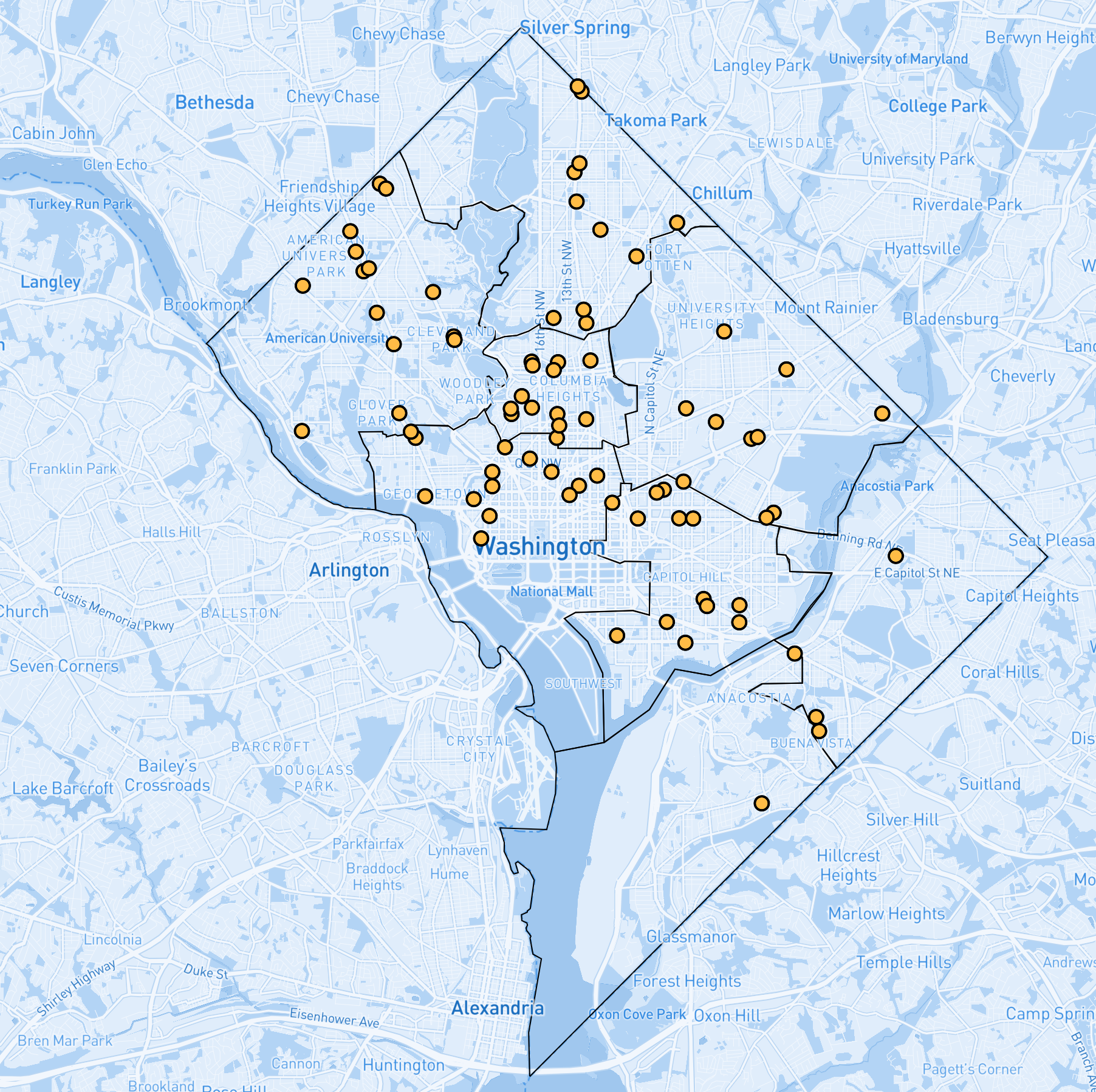
Of over 80 grocery stores located within the District of Columbia, there are only four located east of the Anacostia River, and only one in Ward 8.
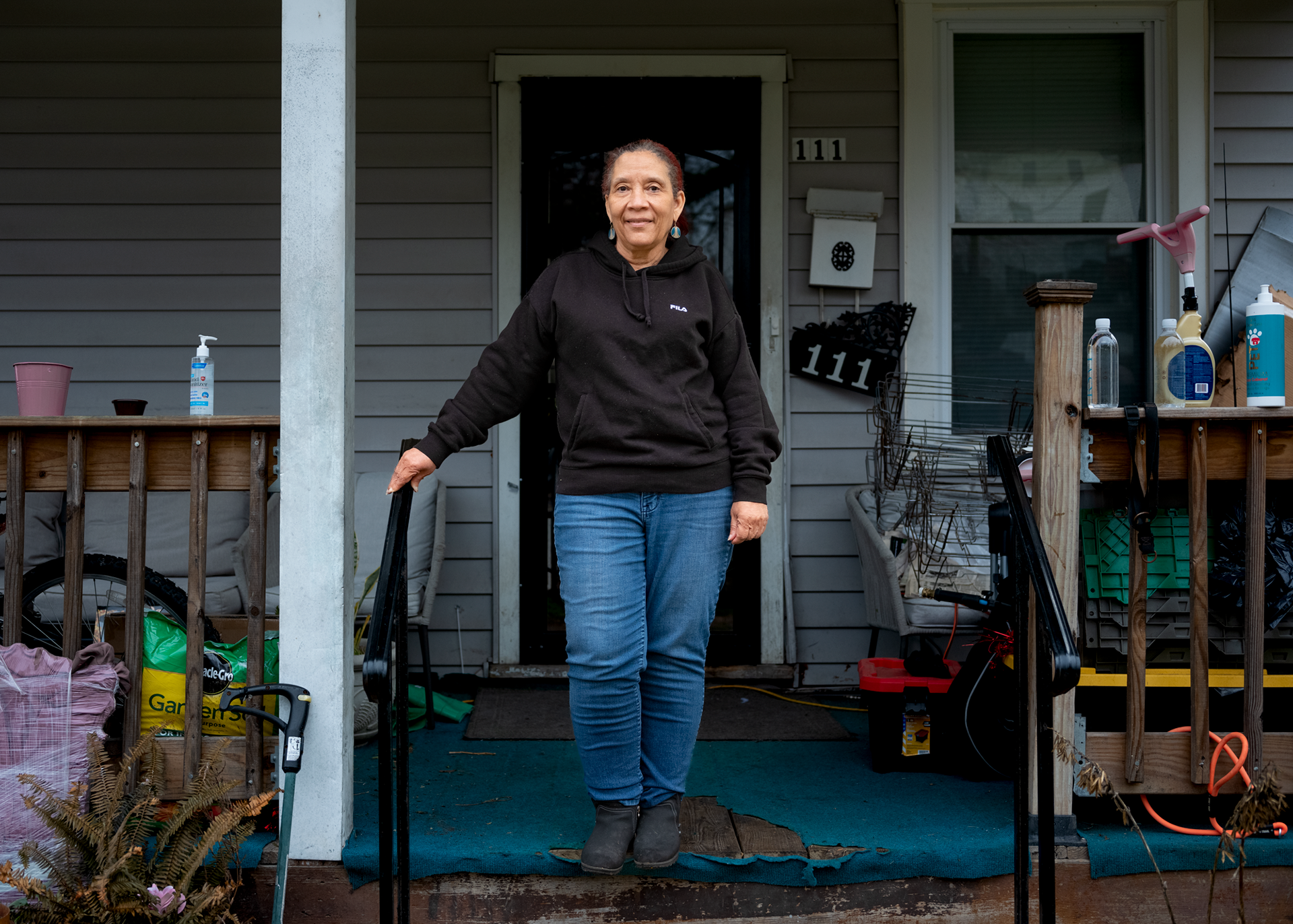
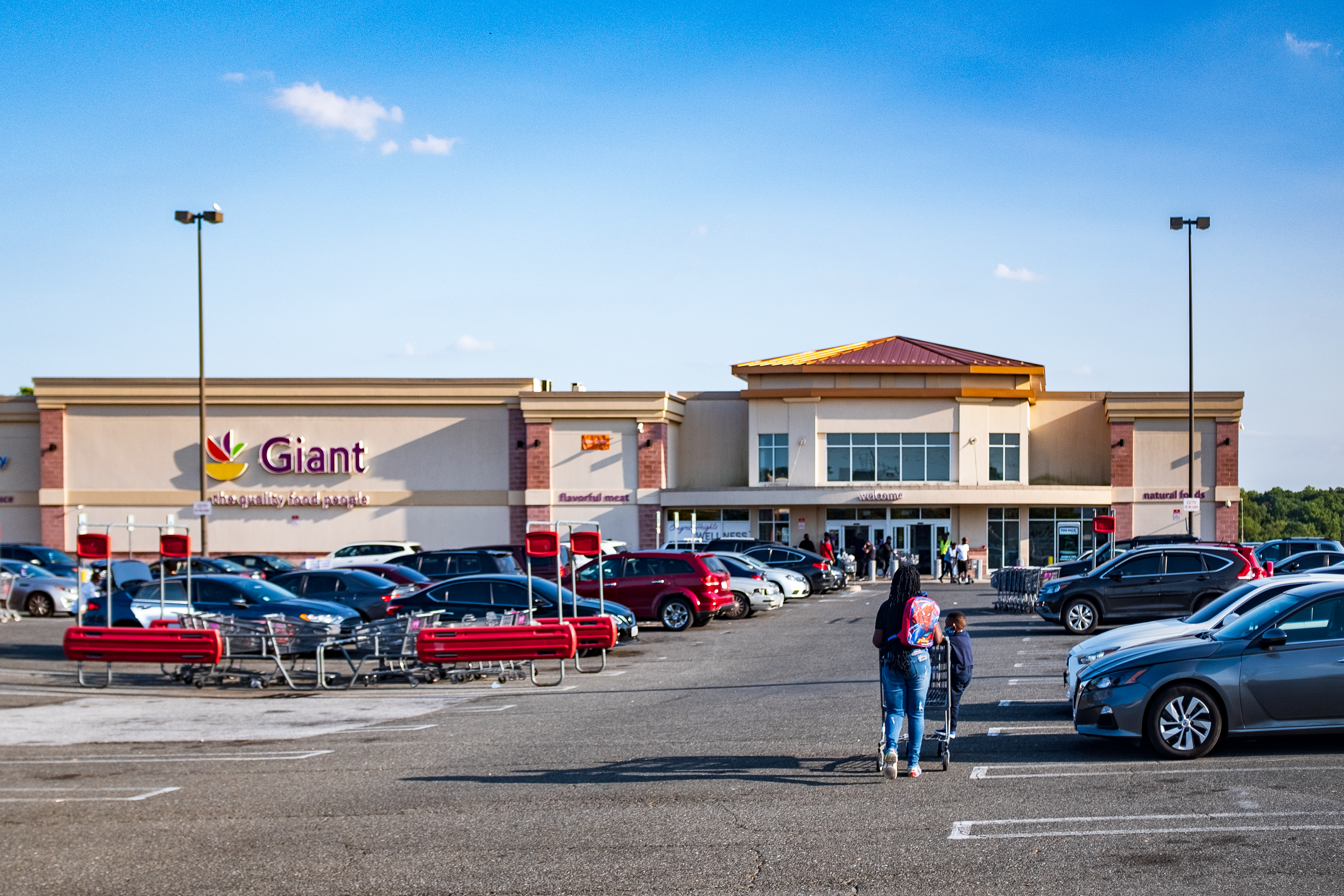
On a sunny Saturday morning, Angela Robertson-Bey, 68, wakes up at home in Ward 8 in Southeast Washington D.C. Her fridge is empty, so she decides to do some food shopping to stock up for the week. Grabbing her list and her bright red shopping bags, she leaves her house and walks a few blocks. She is at a Metrobus stop, where she has to contend with an unreliable weekend public transit schedule and a transfer to another bus before reaching the store. There are none within walking distance of her home. In fact, her destination, the Giant Food on Alabama Avenue, is the only full-service supermarket in a ward of nearly 78,000 residents. Many families in this part of the city face similar hurdles with the task of simply putting food on the table.

Angela Robertson-Bey has lived in Ward 8 for over 20 years.
According to OpenData DC, the city of Washington has 82 full service grocery stores, which averages out to about 10 per ward. If averages could tell this story, it would end here; however, there are only four supermarkets in Washington located east of the Anacostia River, which separates Wards 7 and 8 from the rest of the city. They serve a massive population of more than 155,000 people, or about 38,750 people per store. For comparison, grocery stores in the remaining six wards serve about 6,900 people each. Customers in Wards 7 and 8 face long lines, subpar service, and issues with item stock. For a better shopping experience, a lengthier commute to a supermarket across the river or in nearby Maryland and Virginia may be required.

The Giant on Alabama Avenue is the only supermarket in Ward 8.
Much of Wards 7 and 8 are in what is known as a food desert, defined by the United States Department of Agriculture (USDA) as an area in which the poverty rate is higher than 20 percent, and with at least 33 percent of the population living more than one mile from the nearest grocery store. The access to fresh produce and other healthy, affordable foods in these places is severely limited.
Food deserts arise due to a range of factors, including institutional prejudice, political factors, and imbalances in government public policies. Chief among these is access to reliable transportation. D.C. has some of the lowest car ownership rates in the country, and a robust public transportation system. This isn’t a bad thing in itself, but when combined with lower than average incomes, and greater distances to grocery stores, it puts transportation alternatives like Uber and Lyft out of reach. “For elderly residents, that’s a hardship. For parents with small children, that’s a hardship,” says Wayne Marks, who runs the food pantry at Covenant Baptist Church in Ward 8. 
On crossing one of the seven bridges across the Anacostia River in D.C., the differences are immediately noticeable. The terrain is hillier. There are fewer public transportation options, with only six of the D.C. region’s 91 Metro stations serving this area. There are also fewer parks and neighborhood amenities, medical facilities, and quality schools.

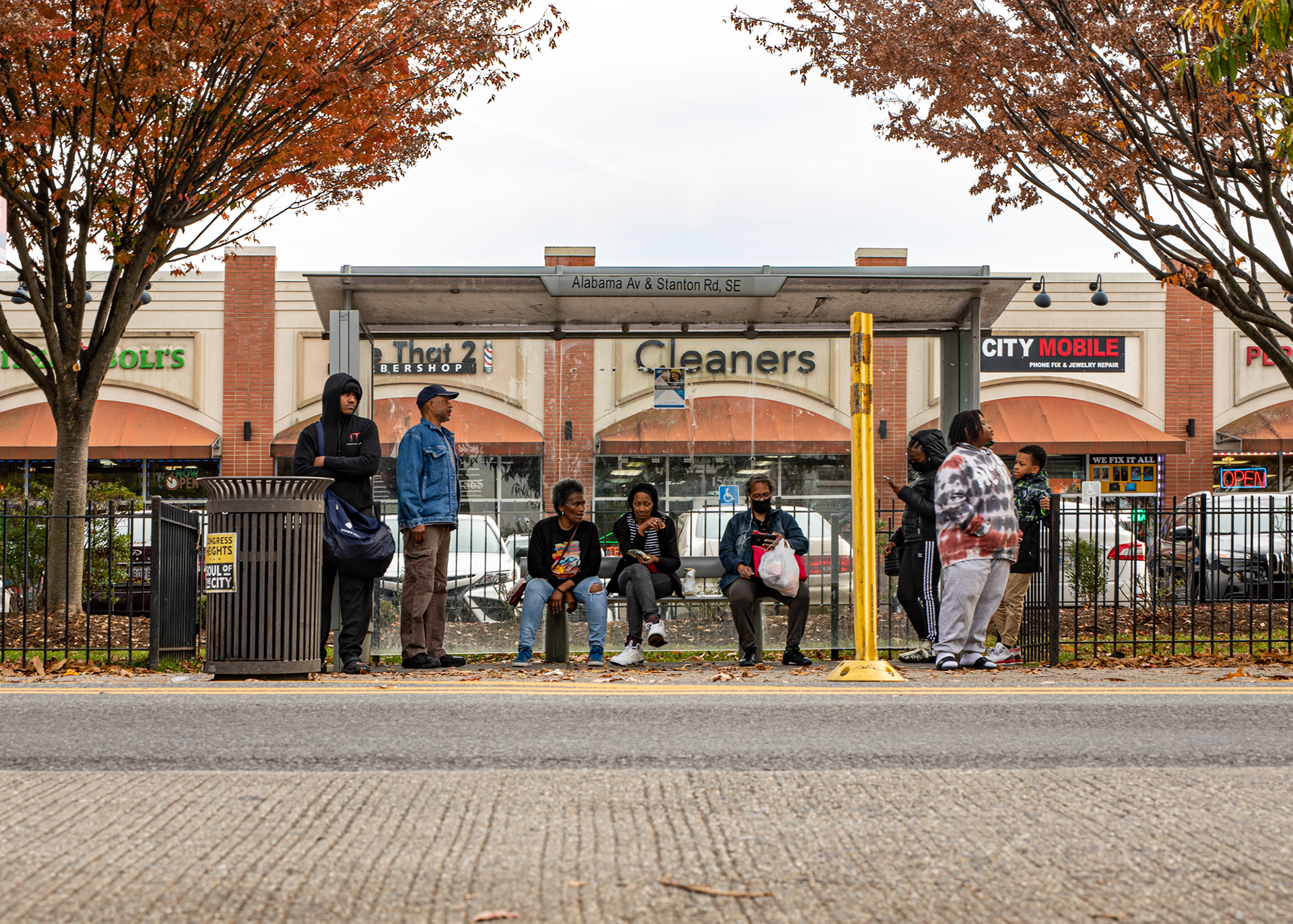
Many residents of Ward 8 often have to commute by public transportation to buy groceries. 
The fact that Ward 8’s population is 91 percent Black should surprise no one. Knowing these facts, and given the history of race relations in this country, along with its connection to economic success and outcomes, some even believe the situation is by design. “We cannot take people and put them in situations that breed confusion, that breed suffering, and expect them to succeed,” says Marks.

Some people may have to take more than one bus to reach the store, and are often buying food for a family. Navigating a crowded bus or train with several bags of groceries to take home is no small task. Distance, time constraints, finances, and other factors can make it infeasible for some to visit a grocery store often. Senior citizens in particular are quite vulnerable to this. “When I go to the grocery store, I usually end up going to Costco in Northeast D.C. and to get to there, I have to catch four buses. Then I still have to make it back home with whatever I buy,” says Robertson-Bey.
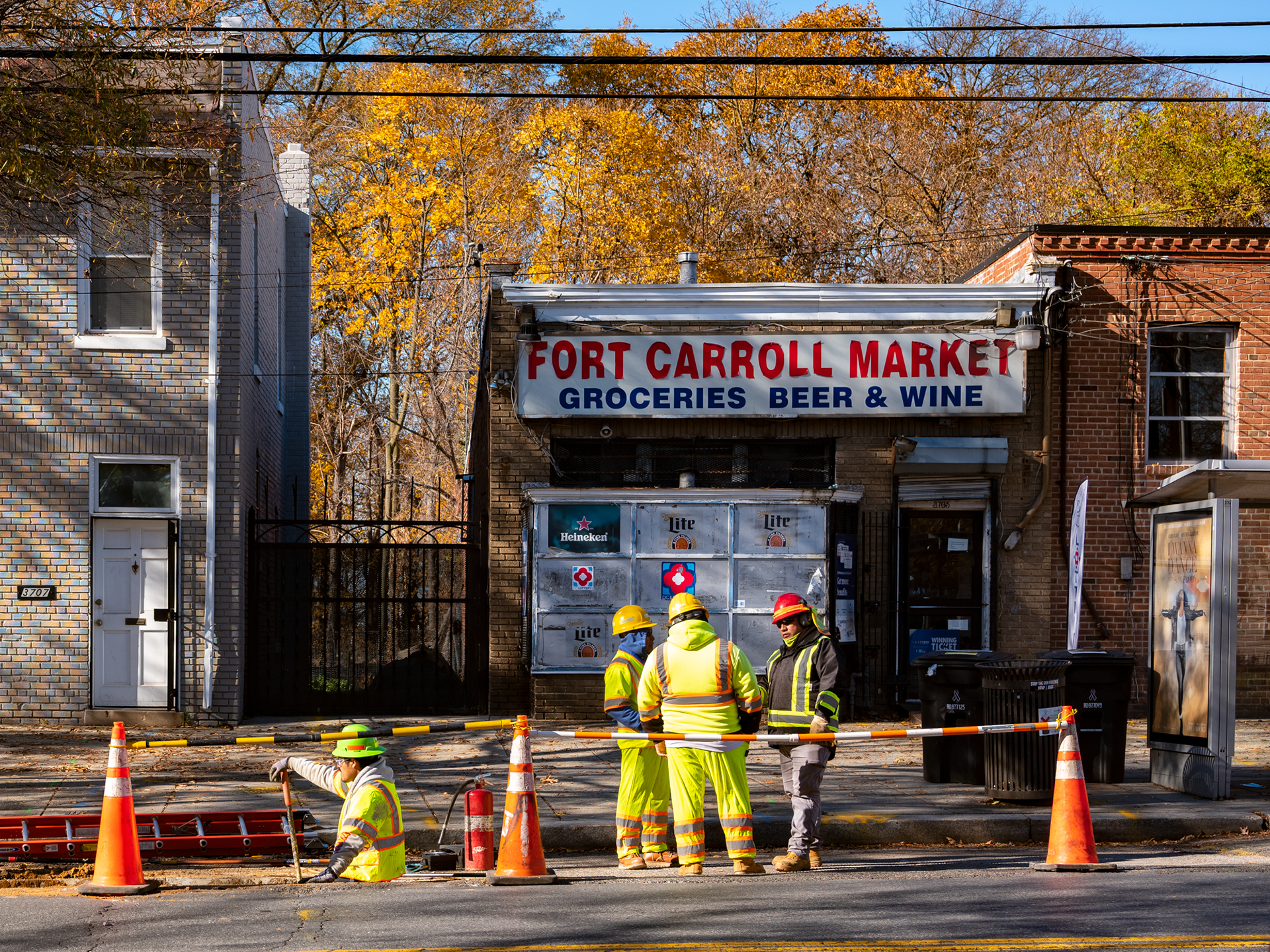
Often conjoined with food deserts are areas known as “food swamps”, where sustenance can be found, but often in the form of fast food restaurants, convenience stores and liquor stores. “There are lots of corner stores where [people] can go get a bag of chips, they can get a soda, things of that nature, but not food that is healthy and that they can prepare a meal with,” says Velma Speights, director of the Allen Chapel food pantry. These alternatives are cheap, fast and filling, but not very nutritious. For those in vulnerable areas, this can contribute to poorer health outcomes. These establishments often outnumber supermarkets, and when people are simply trying to satisfy their hunger, they are more likely to choose the easier option. “If I don't feel like going all the way to the grocery store, and America's Best Wings is right there, I may say to myself, ‘All right, maybe I need to get some fast food for tonight.’ It doesn't feel good when I do that,” says Jahni Threatt, an urban farmer and lifelong D.C. resident. 

With only one full service grocery within Ward 8, many of its residents rely on alternatives like corner and convenience stores, which rarely stock healthy foods or fresh produce.

Food insecurity is another prevalent issue affecting people who live in Ward 8. Living in a food desert may not necessarily make someone food insecure, as they may have the means to go to an area with enough resources and get what they need. While the term food desert relates to areas with limited access to healthy food options, food insecurity refers to the inability of a person to reliably access nutritious food. This can be caused by many factors, such as systemic factors, health issues, or an emergency expense like vehicle or home repairs. A 2004 study by Feeding America, a nationwide food bank network, showed that over 57 percent of their clients faced choosing between buying food or meeting other needs like utilities, housing, medical care, or transportation. Living in a food desert only increases vulnerability to such conditions.

Food insecurity often results in people choosing cheaper processed foods low in nutritional value and high in sodium, sugar and fat, which can negatively affect their health. Overconsumption of these foods, combined with a dearth of healthy options to balance them, predisposes individuals to conditions like high blood pressure, diabetes, and psychological issues. The compound effect of having to choose between food and medical treatment only worsens things.
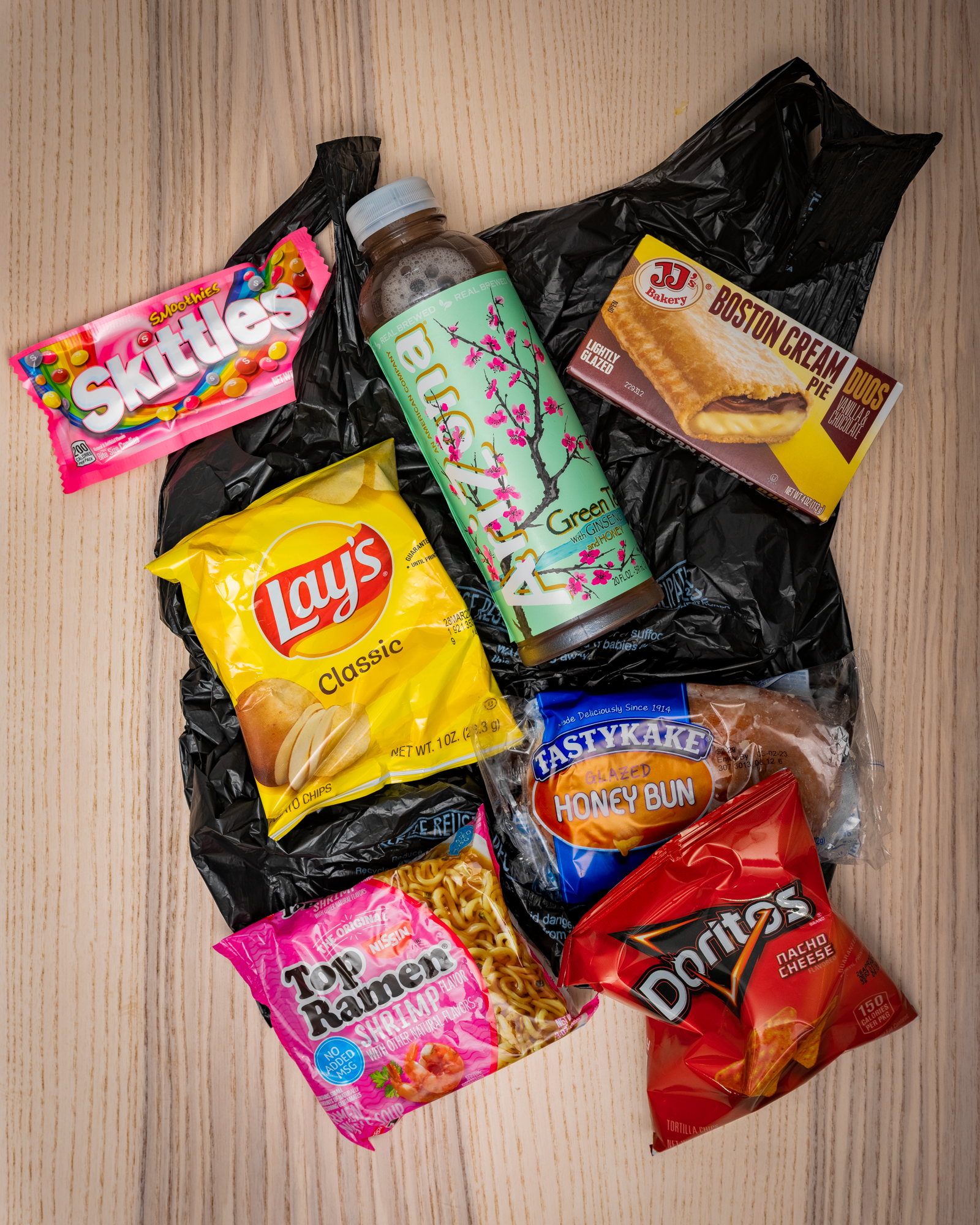
Heavily-processed food and snacks are often all there is to be found in Ward 8's corner stores, the closest available food source for many of its population.
“It can affect your mental status,” says Dr. Amy Schweitzer, a public health nutritionist and professor who also provides nutrition education at food pantries in the D.C. area. “I see that people who live in food deserts are having more issues with heart disease, cancer, diabetes, stroke, and it’s heartbreaking to me because I know that it can be prevented with some fruits and vegetables.”
To address the lack of food access faced by the residents of the ward, and dissatisfied with how supermarket corporations and the municipal government have handled things, some have decided to take matters into their own hands. Behind a nondescript door underneath a red awning on Xenia Street Southwest, is Covenant Baptist’s food pantry, run by Marks. The church is a vital resource for those struggling with food insecurity. Those in need who visit the pantry receive a free bag of essential food items every week, easing the financial challenges of hunger.

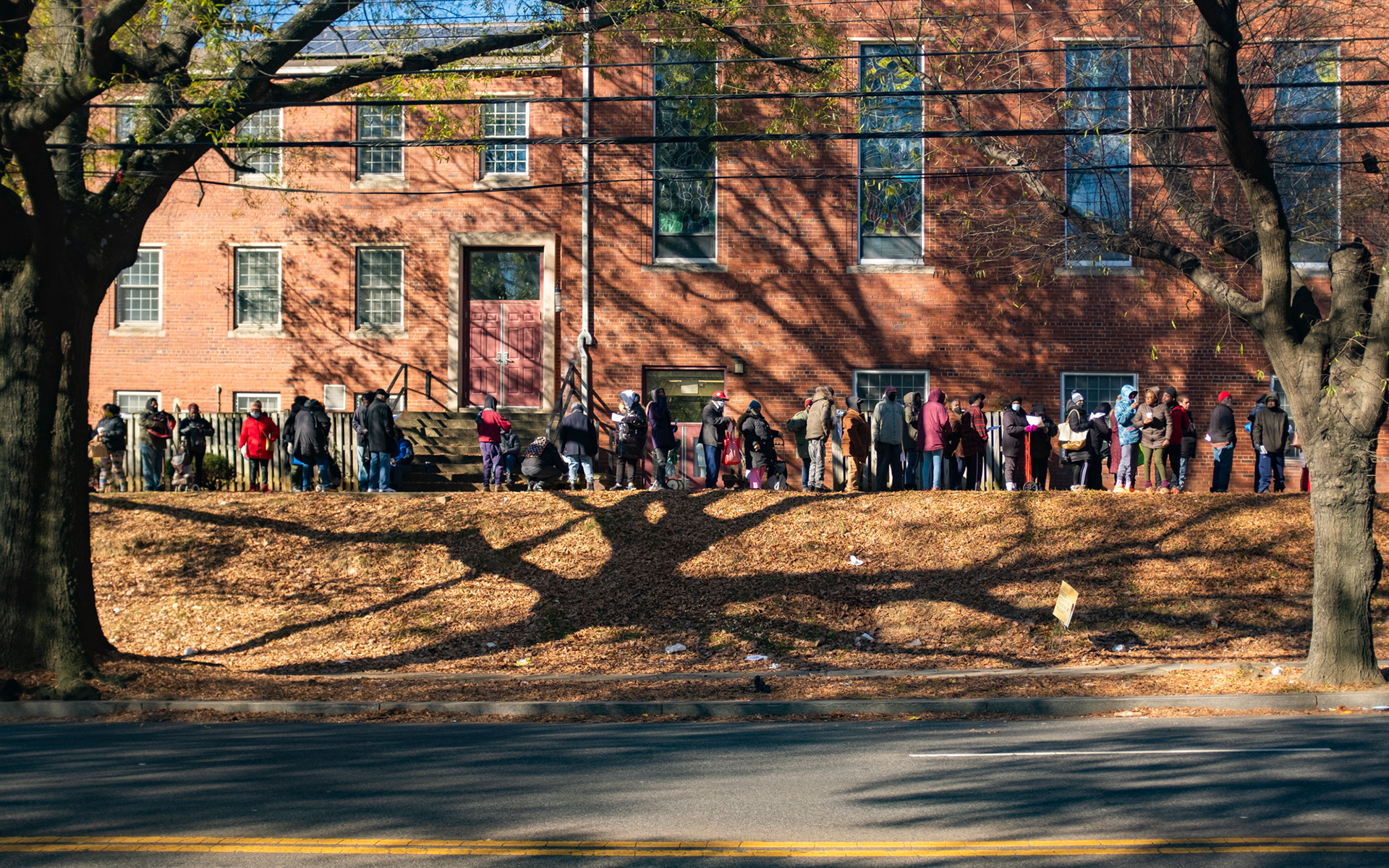
The Food Pantry at Covenant Baptist Church provides food for many area residents, with numbers that can swell into the hundreds during the holiday season.
“We don’t worry about whether Giant or Safeway thinks it’s a good idea to build a store in this area. We make what they don't supply come to us , and we distribute it to the people in need,” says Marks. Their doors are open to all, and not restricted only to those living in the immediate area. The numbers have cooled off since the onset of the COVID-19 pandemic in early 2020, but at its peak, the pantry serviced hundreds weekly. In addition to shelf stable items like pasta and canned vegetables, the pantry offers fresh vegetables and herbs, donated by local supermarkets, farms, and organizations such as the Capital Area Food Bank.

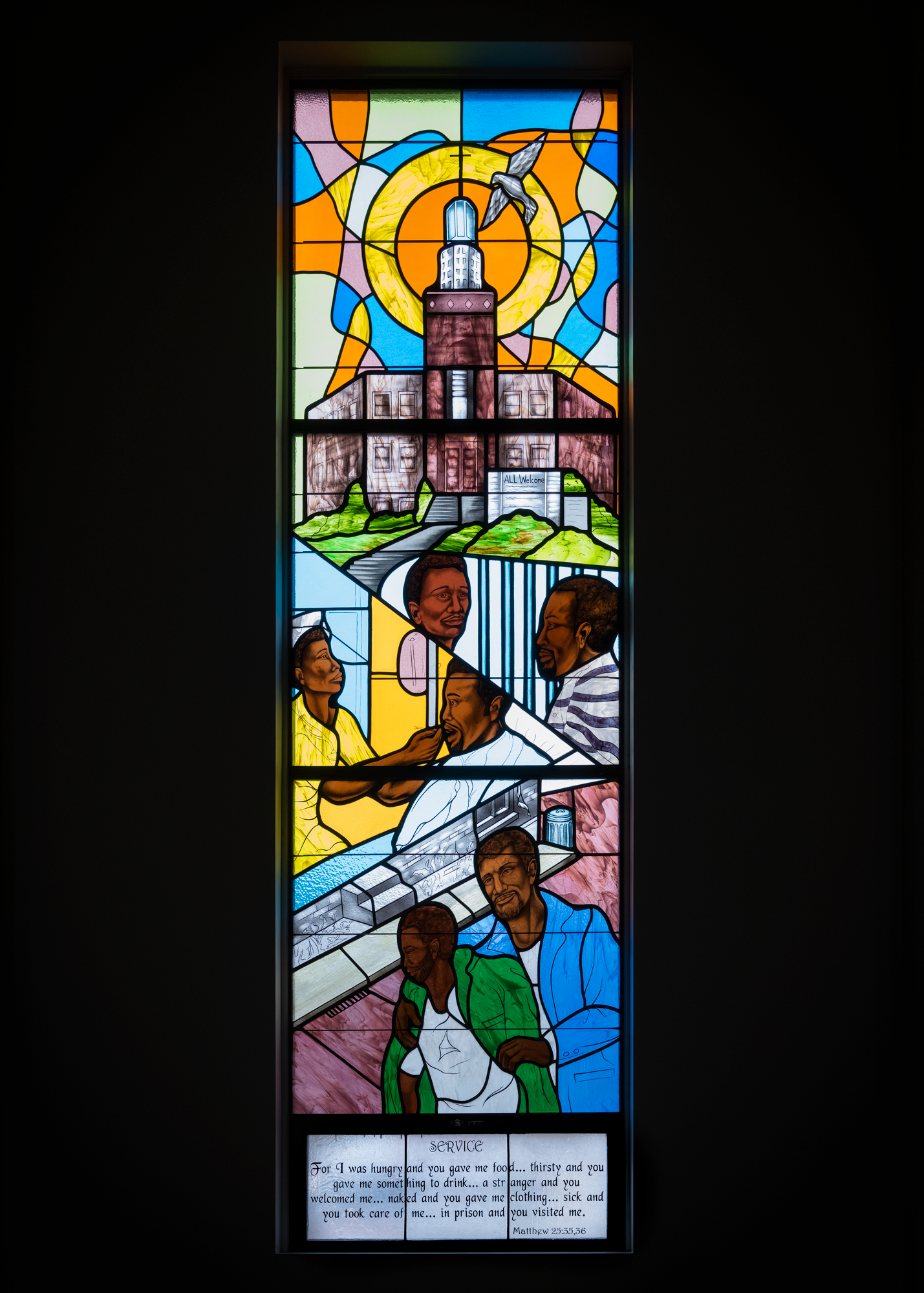
Several stained glass windows line the sanctuary of Ward 8's Covenant Baptist Church, with each displaying a different Christian moral or value.

The church also provides to residents what Marks refers to as “wraparound services”; health screenings, education, and job training, which serve to address some of the related socioeconomic issues faced by residents. Through his hands-on involvement serving Ward 8, Marks has gained a unique perspective of food access on a local level. “You get a food desert when you are in a land of plenty, which Washington D.C. is, yet there's an area that has nothing. Much like being in Ward 8. There is nothing out here for people to eat. We are answering the call of God to help our fellow man.” 
Back to Top